


To receive important alerts and updates from Gold Coast Primary Health Network, please submit the form below.
Receive important alerts and updates from Gold Coast Primary Health Network.
"*" indicates required fields
To receive important alerts and updates from Gold Coast Primary Health Network, please submit the form below.
Disaster response involves taking timely, coordinated and strategic action to manage the impacts of emergency events on people, services and communities. While disasters are unpredictable, effective response relies on preparation, clear decision-making and strong communication before, during and after an event.
For the primary care sector, the aim of disaster response is to protect safety, maintain access to essential health services wherever possible, and support recovery once the immediate risk has passed.
HealthPathways is not designed to be used by patients or general community members and as such a user name and password are required to use the site. Clinicians without access can request password details by contacting us.
The most effective support you can provide during a time of disaster is to consider extending practice opening hours to accommodate an increase in patient demand.
For more guidance on disaster preparedness, refer to the RACGP’s guide on Managing Emergencies in General Practice: A Guide for Preparation, Response and Recovery.
Emergency Contacts
Gold Coast City Dashboards
Gold Coast Community Support Services
Disaster response
Disaster response involves taking timely, coordinated and strategic action to manage the impacts of emergency events on people, services and communities. While disasters are unpredictable, effective response relies on preparation, clear decision-making and strong communication before, during and after an event.
For the primary care sector, the aim of disaster response is to protect safety, maintain access to essential health services wherever possible, and support recovery once the immediate risk has passed.
If your general practice experiences any damage or interruptions to your usual hours of operation, please ensure the healthdirect Service Finder is updated to help the community find available health services. Can you please make sure your National Health Services Directory (NHSD) is up to date or email our practice support team if you would like us to submit an update on your behalf.
If your service is impacted (closed, reduced hours, or reduced offerings), update your clinic listing promptly.
Please visit the Service Finder, look up your listing, scroll down to the bottom and click ‘suggest an edit’. This will open a form and enable you to enter any changes you would like to be made to your listing.
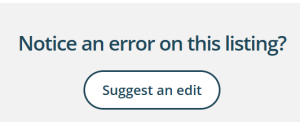
Option:
General practices that are unable to make their own updates, can contact GCPHN to do this on their behalf. Email practicesupport@gcphn.com.au.
Appointments:
If your clinic uses an online appointment booking service, you can update your calendar to reflect changes in availability. This will be reflected via Service Finder.
Report cold chain breaches immediately via QHIP-ADMIN@health.qld.gov.au using the Cold Chain Breach Report Form.
RACGP Contact
During or after a disaster, practices may need to:
➡️ There is no immediate external reporting, but records must be kept.
| New South Wales
T: 02 9886 4700 |
Queensland
T: 07 3456 8944 |
So we can provide you with the most accurate information,
please tell us a little more about yourself

