

GCPHN printlogo
Gold Coast Primary Health Network
  • View Resources for Health Professional
  • Contact Us

What can we help you with?

Gold Coast Primary Health Network
  • Events
  • News
    • Local Health News
      • Latest Health Updates
    • Media Releases
      • GCPHN Media Releases
    • Publications
      • Your Local Primary Health Network News
  • Community
    • Mental Health
      • Your Mental Health and Wellbeing
      • Medicare Mental Health Phone Service
    • Alcohol And Other Drugs
      • Information, Treatment and Support Services
    • Suicide Support Services
      • Immediate Help
      • Community Based Support
      • QPR – GCPHN Funded Suicide Prevention Training
    • Advance Care Planning
      • Advance Care Planning
    • Palliative Care
      • Palliative and end-of-life care
    • Older Australians
      • I am not frail
      • Older Persons
      • Dementia Pathways
    • Digital Health
      • Digital Health
      • My Health Record
      • Electronic Prescription
      • Telehealth
    • MyMedicare
      • MyMedicare
    • Prevention
      • Prevention
      • Immunisation
      • Influenza
      • COVID-19
      • Cancer Screening
    • Health Resources For Community
      • Aboriginal and Torres Strait Islander Health
      • Disaster Resilience
      • Eating Disorders
      • LGBTQIAP+
      • Medicare Urgent Care Clinics
      • My health for life
      • Pain Programs
      • What to do if you need after hours medical advice
      • Women’s Health
  • Find a Health Service
  • About
    • Our Governance
      • About GCPHN
      • Company Structure
      • The GCPHN Board
      • Senior Leadership Team
      • Our Advisory Groups
    • Our Region
      • GCPHN Needs Assessment
      • General Practice Profile
    • Our Planning and Reporting
      • Strategic Plan
      • Activity Work Plans
      • Regional Plans
      • Annual Reports
      • Reconciliation Action Plan
    • Commissioning
      • GCPHN Commissioning
      • GCPHN Funded Services
    • Our Partnerships and Collaborations
      • Our Partnerships
      • Joint Regional Plan
    • Opportunities
      • GCPHN Positions Vacant
      • Primary Healthcare Professional Opportunities
      • Expressions of Interest and Tender Opportunities
    • Contact Us
      • Contact Details
      • Complaints and Feedback
  • View Resources for Health Professional
  • Contact Us
Gold Coast Primary Health Network

What can we help you with?

close
  • Events
  • News
    • Local Health News
      • Latest Health Updates
    • Media Releases
      • GCPHN Media Releases
    • Publications
      • Your Local Primary Health Network News
  • Community
    • Mental Health
      • Your Mental Health and Wellbeing
      • Medicare Mental Health Phone Service
    • Alcohol And Other Drugs
      • Information, Treatment and Support Services
    • Suicide Support Services
      • Immediate Help
      • Community Based Support
      • QPR – GCPHN Funded Suicide Prevention Training
    • Advance Care Planning
      • Advance Care Planning
    • Palliative Care
      • Palliative and end-of-life care
    • Older Australians
      • I am not frail
      • Older Persons
      • Dementia Pathways
    • Digital Health
      • Digital Health
      • My Health Record
      • Electronic Prescription
      • Telehealth
    • MyMedicare
      • MyMedicare
    • Prevention
      • Prevention
      • Immunisation
      • Influenza
      • COVID-19
      • Cancer Screening
    • Health Resources For Community
      • Aboriginal and Torres Strait Islander Health
      • Disaster Resilience
      • Eating Disorders
      • LGBTQIAP+
      • Medicare Urgent Care Clinics
      • My health for life
      • Pain Programs
      • What to do if you need after hours medical advice
      • Women’s Health
  • Find a Health Service
  • About
    • Our Governance
      • About GCPHN
      • Company Structure
      • The GCPHN Board
      • Senior Leadership Team
      • Our Advisory Groups
    • Our Region
      • GCPHN Needs Assessment
      • General Practice Profile
    • Our Planning and Reporting
      • Strategic Plan
      • Activity Work Plans
      • Regional Plans
      • Annual Reports
      • Reconciliation Action Plan
    • Commissioning
      • GCPHN Commissioning
      • GCPHN Funded Services
    • Our Partnerships and Collaborations
      • Our Partnerships
      • Joint Regional Plan
    • Opportunities
      • GCPHN Positions Vacant
      • Primary Healthcare Professional Opportunities
      • Expressions of Interest and Tender Opportunities
    • Contact Us
      • Contact Details
      • Complaints and Feedback
  • View Resources for Health Professional
  • Contact Us

Disaster response

  • Community Member Home
  • Support For General Practice
  • Disaster readiness and emergency preparedness
  • Disaster response
show Side Menu

Disaster readiness and emergency preparedness

  • Our role in disaster preparedness
  • Disaster preparedness
  • Disaster response
  • Disaster recovery

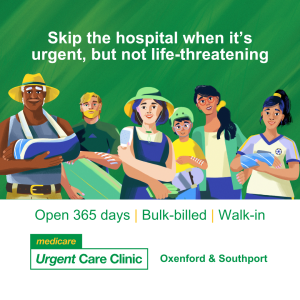
Medicare Urgent Care Clinic Southport and Medicare Urgent Care Clinic Oxenford

MMH PL


Sign Up

  • Sign up - Your Local Primary Health Network News

    Sign up - Your Local Primary Health Network News

    To receive important alerts and updates from Gold Coast Primary Health Network, please submit the form below.

    "*" indicates required fields

  • GP and Practice News

    GP and Practice News

    To receive important alerts and updates from Gold Coast Primary Health Network, please submit the form below.

Help Improve Our Website

Leave feedback
Content last updated 19/02/2026

Disaster response for the Gold Coast primary care sector

Disaster response involves taking timely, coordinated and strategic action to manage the impacts of emergency events on people, services and communities. While disasters are unpredictable, effective response relies on preparation, clear decision-making and strong communication before, during and after an event.

For the primary care sector, the aim of disaster response is to protect safety, maintain access to essential health services wherever possible, and support recovery once the immediate risk has passed.

Emergency Updates

Managing Emergencies

Updating the National Health Services Directory

Reportable Notifications

  • Disaster Recovery Wellbeing Support State-wide NSW
  • Information about practice and patient disaster preparedness, response and recovery can be accessed via new personal Community HealthPathways accounts. View changes to accessing HealthPathways information here.

HealthPathways is not designed to be used by patients or general community members and as such a user name and password are required to use the site. Clinicians without access can request password details by contacting us.

The most effective support you can provide during a time of disaster is to consider extending practice opening hours to accommodate an increase in patient demand.

  • Divert practice phone number to another number
  • Update message bank details, social media and website with information about how GP services can be accessed
  • Contact SWSPHN to advise if your practice is affected
  • Advise SWSPHN if you have the capacity to extend opening hours, undertake residential aged care visits or offer telehealth consults
  • Contact SWSPHN to be linked with GPs who are available to assist with residential aged care home (RACH) visits

For more guidance on disaster preparedness, refer to the RACGP’s guide on Managing Emergencies in General Practice: A Guide for Preparation, Response and Recovery.

Emergency Updates

Emergency Contacts

  • Queensland Fire and Emergency Services
  • Gold Coast – Emergency Contact List
  • Emergency Services Contact Details – Get Ready Queensland

Gold Coast City Dashboards

  • Gold Coast Disaster and Emergency Dashboard Alerts
  • Queensland Government Warnings and Emergency Alerts
  • Qld Traffic Road Updates Road Condition Information

Gold Coast Community Support Services

  • When there is a disaster, support is available if you are experiencing emotional stress or personal financial hardship. Please refer to this directory of local emergency relief provider or counselling services.

Managing Emergencies

Disaster response

Disaster response involves taking timely, coordinated and strategic action to manage the impacts of emergency events on people, services and communities. While disasters are unpredictable, effective response relies on preparation, clear decision-making and strong communication before, during and after an event.

For the primary care sector, the aim of disaster response is to protect safety, maintain access to essential health services wherever possible, and support recovery once the immediate risk has passed.

Before an event: early action and readiness
https://gcphn.org.au/practice-support/support-for-general-practice/disaster-management/disaster-response/#before-an-event-early-action-and-readiness Copied to clipboard

As forecasts and warnings emerge, disaster response begins with early, “no-regrets” actions. This may include monitoring conditions, activating emergency plans, briefing staff, securing facilities and preparing patient communications. Early action helps reduce risk, prevent avoidable harm and support continuity of care if conditions deteriorate.

During an event: safety, continuity and coordination
https://gcphn.org.au/practice-support/support-for-general-practice/disaster-management/disaster-response/#during-an-event-safety-continuity-and-coordination Copied to clipboard

During a disaster, the priority is safety of staff, patients and the community. Practices may need to adjust services, reduce hours, shift to telehealth or temporarily close based on local conditions and official advice.

Clear communication, documentation of key decisions and coordination with local partners are critical to managing disruption and ensuring patients can access appropriate care.

After an event: recovery and restoration
https://gcphn.org.au/practice-support/support-for-general-practice/disaster-management/disaster-response/#after-an-event-recovery-and-restoration Copied to clipboard

Once immediate risks have passed, disaster response shifts to recovery and restoration of services. This may involve assessing damage, restoring systems, supporting staff wellbeing, reviewing cold chain impacts and re-establishing normal operations.

Recovery also provides an opportunity to review what worked well, identify gaps and strengthen preparedness for future events.

GCPHN’s role
https://gcphn.org.au/practice-support/support-for-general-practice/disaster-management/disaster-response/#gcphns-role Copied to clipboard

GCPHN supports the primary care sector throughout all phases of disaster response by:

  • Sharing timely updates and trusted information
  • Supporting coordination and communication across primary care
  • Providing guidance, tools and resources to assist practices before, during and after emergencies

Effective disaster response helps minimise impacts, supports faster recovery and strengthens the resilience of primary care services across the Gold Coast.

  • Managing Emergencies in General Practice: A Guide for Preparation, Response and Recovery.
  • Disaster Recovery Wellbeing Support State-wide NSW

For further information please contact, Shannon Heathcote our dedicated Disaster Preparedness Officer via email ShannonH@gcphn.com.au or call 07 5612 5467.

Updating Healthdirect Service Finder Listing

If your general practice experiences any damage or interruptions to your usual hours of operation, please ensure the healthdirect Service Finder is updated to help the community find available health services. Can you please make sure your National Health Services Directory (NHSD) is up to date or email our practice support team if you would like us to submit an update on your behalf.

If your service is impacted (closed, reduced hours, or reduced offerings), update your clinic listing promptly.

How to update your listing

Please visit the Service Finder, look up your listing, scroll down to the bottom and click ‘suggest an edit’. This will open a form and enable you to enter any changes you would like to be made to your listing.

Error with listing

Option:

General practices that are unable to make their own updates, can contact GCPHN to do this on their behalf. Email practicesupport@gcphn.com.au.

Appointments:

If your clinic uses an online appointment booking service, you can update your calendar to reflect changes in availability. This will be reflected via Service Finder.

Reportable Notifications

Cold Chain Notification

Protecting your vaccine storage management and cold chain
https://gcphn.org.au/practice-support/support-for-general-practice/disaster-management/disaster-response/#protecting-your-vaccine-storage-management-and-cold-chain Copied to clipboard
  • Ensure vaccine refrigerators are connected to backup power.
  • Nominate a staff member to be responsible in the event of a power outage after business hours.
  • Check temperature monitoring systems and have a current Vaccine Management Protocol (VMP) in place.
  • Ensure sufficient power outage equipment (adequate number of coolers, ice/gel packs, insulating material (e.g. bubble wrap) and a battery-operated minimum / maximum thermometer or portable data logger.
  • Consider relocating vaccines if prolonged power loss is expected. Never transport vaccines to another refrigerator, cooler or facility without a min/max temperature monitoring device or data logger
  • Consider buddying-up with another practice for temporary refrigeration and facility sharing if needed.
  • If no suitable alternative monitored storage option, isolate the vaccines and leave them in the refrigerator with the door closed for the duration of the power outage. Do not use or discard vaccines until you have received advice from the Gold Coast Public Health Unit.

Report cold chain breaches immediately via QHIP-ADMIN@health.qld.gov.au using the Cold Chain Breach Report Form.


RACGP Contact

During or after a disaster, practices may need to:

  • Document service disruptions
  • Record actions taken under the emergency management plan
  • Demonstrate continuity planning and incident management during assessment

➡️ There is no immediate external reporting, but records must be kept.

New South Wales

T: 02 9886 4700
E: nswact.faculty@racgp.org.au
Join the RACGP NSW&ACT Facebook group to chat with your colleagues and stay up to date.

Queensland

T: 07 3456 8944
E: qld@racgp.org.au
Join the RACGP QLD Facebook group to chat with your colleagues and stay up to date.

GCPHN GCPHN
  • facebook
  • twitter
  • linkedin
  • instagram
  • youtube

Quick Contact

  • Email: info@gcphn.com.au
  • Ph: 07 5635 2455
  • Fax: 07 5635 2466
  • Level 1/14 Edgewater Ct Robina QLD 4226

Your Data & Privacy

  • Privacy Policy
  • Information Management
  • Information Security Policy

Opportunities

  • GCPHN Positions Vacant
  • Primary Healthcare Professional Opportunities
  • GCPHN Commissioning

Complaints & Feedback

GCPHN would love to hear from you

Submit Feedback

Site by: Thrive Digital

Gold Coast Primary Health Network

  • Terms & Conditions
  • Privacy Policy

Gold Coast Primary Health Network would like to acknowledge and pay respect to the land and the traditional practices of the families of the Yugambeh Language Region of South East Queensland and their Elders past, present and emerging.

Gold Coast Primary Health Network gratefully acknowledges the financial and other support from the Australian Government Department of Health, Disability and Ageing.

© Copyright 2025 | Primary Care Gold Coast (ABN 47152953092), trading as the Gold Coast Primary Health Network. All Rights Reserved. Content is correct at time of publication.

Welcome to the Gold Coast Primary Health Network

So we can provide you with the most accurate information,
please tell us a little more about yourself

I work in Health Care I am a Community Member
Gold Coast Primary Health Network